Winter Condensation on Windows: When to Worry
In Indianapolis, winter doesn’t ease in—it swings. One day it’s a damp 40°, the next it’s windy and in the single digits. That’s why “sweaty” windows are so common—foggy glass, droplets along the bottom edge, or a damp sill. At Beeson Construction, Inc., we’ve served central Indiana homeowners since 2001, and we hear this concern every year. Usually, it’s harmless: warm indoor air hitting cold glass. Other times, it’s a helpful warning sign—high humidity, poor window performance, or air slipping in around the frame.
Dew Point 101: The Simple Reason Glass Gets Wet
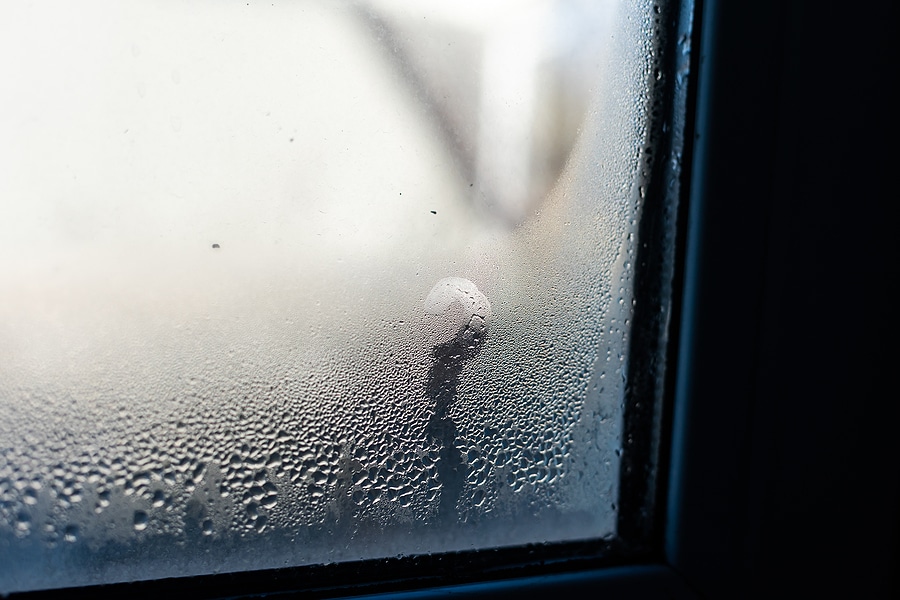
A little moisture in your home’s air is entirely normal—it comes from showers, cooking, laundry, and just everyday life. The “turning point” is something called the dew point. The National Weather Service describes dew point as the temperature at which moisture in the air changes from vapor into water droplets. So when your window glass drops below that temperature, condensation forms. That’s why the coldest window in the house usually “sweats” first.
Indoor Humidity Targets for Winter Comfort
Now that you know the why, let’s talk about what helps. For many homes, a practical winter target is about 25–40% relative humidity. The University of Minnesota Extension notes that managing indoor moisture can improve comfort and help prevent moisture-related issues. Here’s the key: the colder it gets outside, the more you may need to aim toward the lower end to keep the glass clear.
Quick Fixes for Cold, Windy Days
The good news? You can often improve things quickly.
Try this 10–20 minute reset:Run exhaust fans during showers and cooking—and for 10–15 minutes after.
Open blinds and curtains so warm air can circulate over the glass.
Check for drafts around the trim and along the sash with your hand.
Wipe sills dry so moisture doesn’t soak into paint, drywall, or wood.
When Condensation Is a Red Flag
When should you stop chalking it up to winter?
Watch for:
Fog you can’t wipe off, especially between panes.
One window that’s consistently worse than the rest.
Damage nearby, such as peeling paint, staining, soft drywall, or musty smells.
It is important not to lose sight of the bigger exterior picture. Sometimes the moisture showing up near a window starts outside. In winter, ice dams, flashing leaks, or clogged gutters can push water where it doesn’t belong—often first appearing near windows, soffit/fascia, or trim. Add wind-driven rain, the occasional hail event, and freeze/thaw cycles, and minor weak points can turn into bigger problems faster than you’d expect.
Stop the Guessing—Get a Clear Answer
If you want clarity (not guesswork), Beeson Construction, Inc. can evaluate window condition, air-leak points, and the surrounding exterior details. We’ll walk you through repair versus replacement options and, if new windows make sense, recommend ENERGY STAR-certified choices that are best suited to our climate. Contact us at (317) 788-9353 to request an estimate or ask questions.
Baver, Grant. 2025. “Clearing Up Window Fogging.” Fine Homebuilding (blog). Active Interest Media. November. https://www.finehomebuilding.com/2025/10/10/clearing-up-window-fogging.